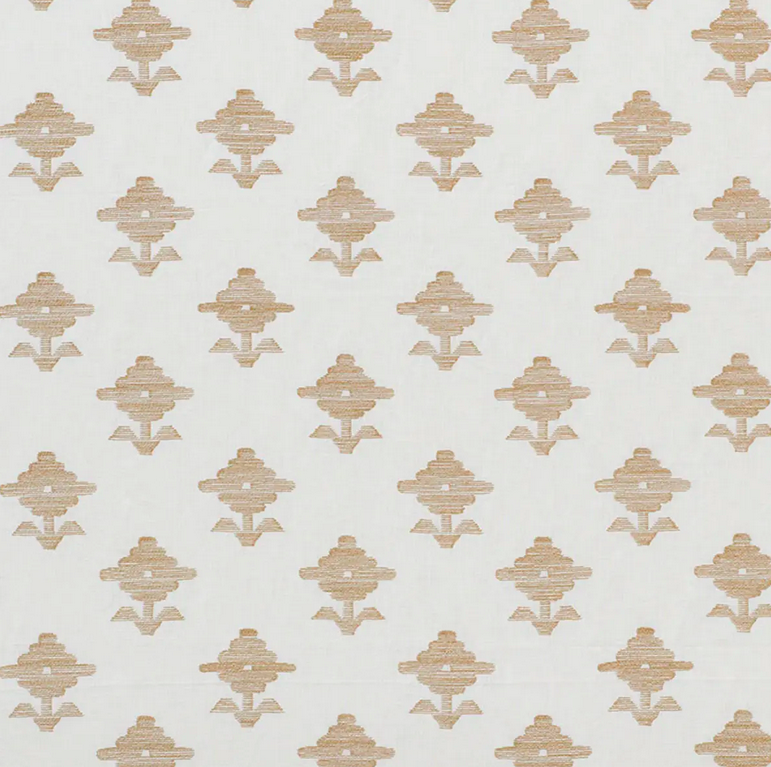
Legend has it that the goddess Athena gifted mere mortals with the art of embroidery, which has been used for centuries to embellish everything from upholstery, curtains, and household linens to stockings, shoes, book covers, even caskets. This ubiquitous form of decoration has been found everywhere and in every era, from ancient Egypt to medieval Europe to 19th-century Bangladesh, Japan, and Peru. Defined simply as fabric embellished with a needle and thread, it was once an indispensable art practiced by everyone from Mary, Queen of Scots (who made petit point during her long imprisonment at the hands of her cousin, Elizabeth I) to the poorest schoolgirl. Elaborately embroidered clothing and household items were a mark of wealth and status both at home and in the church, but even the humblest laborers monogrammed and decorated their own clothing.
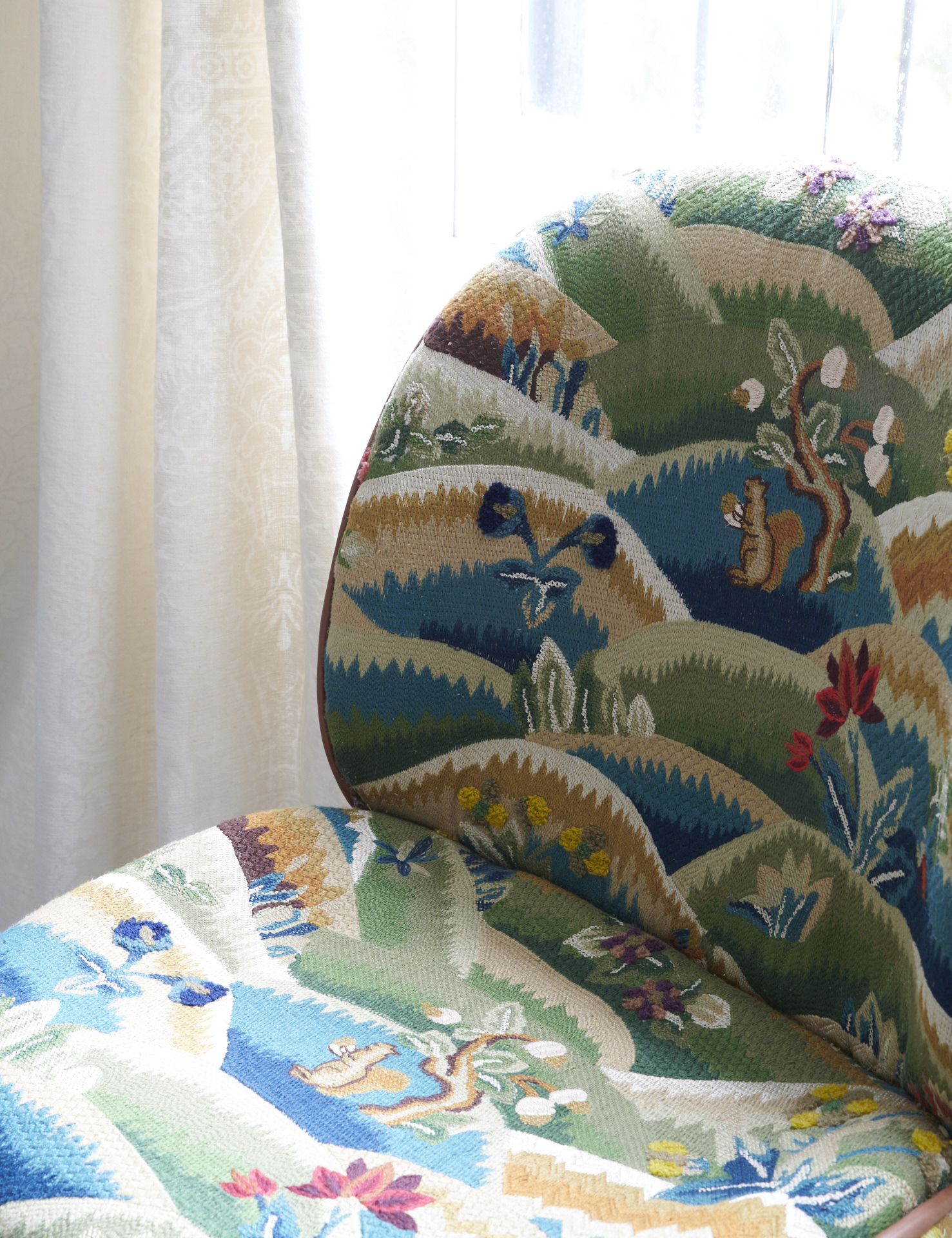
Our Gerry hand-stitched embroidery is a tour-de-force, featuring rolling hills studded with vibrantly colored flora and fauna.
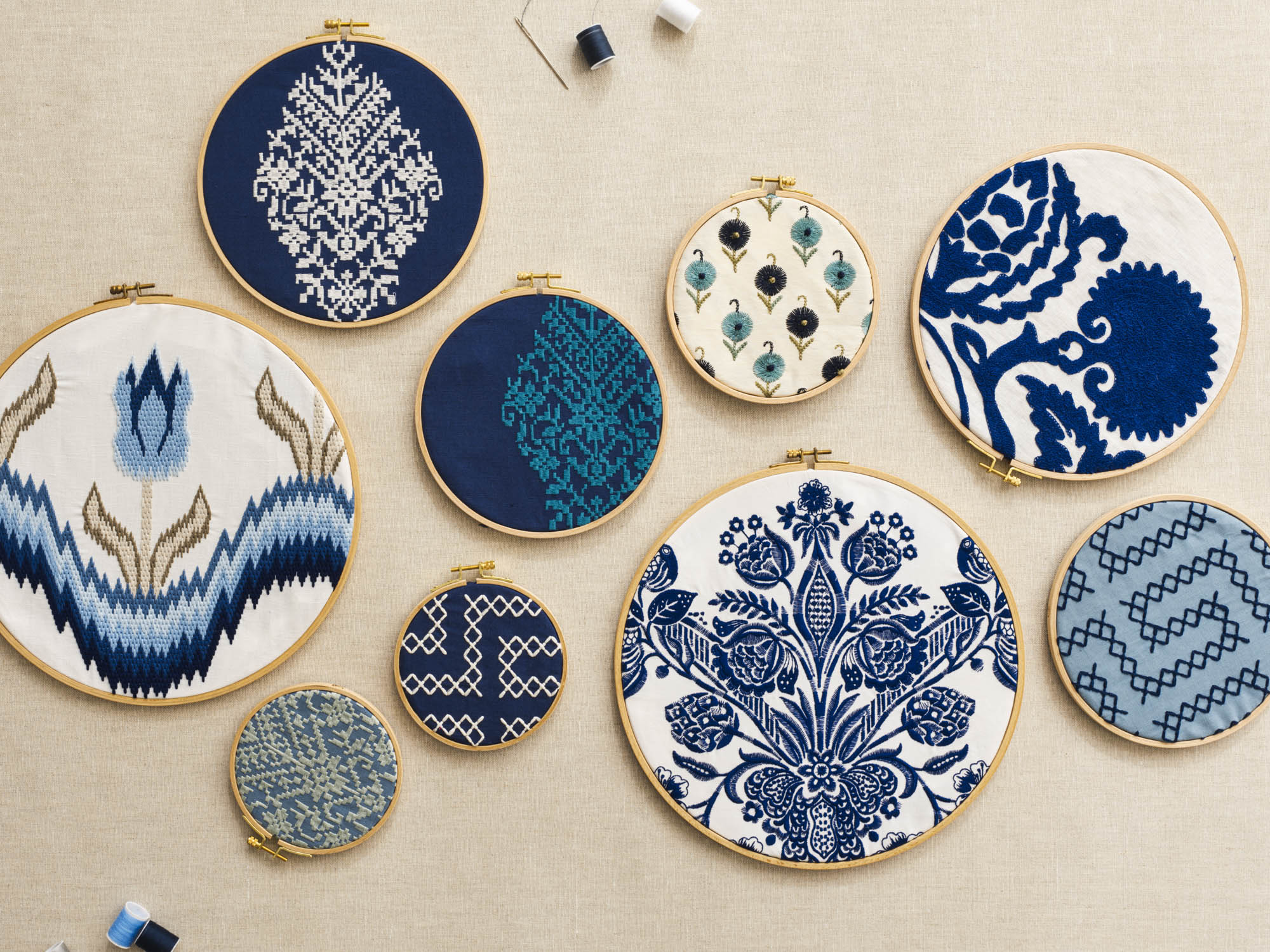
Max Kim-BeeEmbroidery generally can be divided into two types: freestyle, which employs stitches of any length, direction, or form, and counted-thread, which requires uniform stitches that follow the weave of the underlying fabric. Although most large-scale embroidery has been machine-made since the 1960s, the basic technology and materials have barely changed—and nothing beats the fineness of embroidery done by hand. Wool, linen, and silk threads or yarns are traditionally found in the best embroidery, but cotton and rayon are much more popular today. This glossary helps break down the basics.
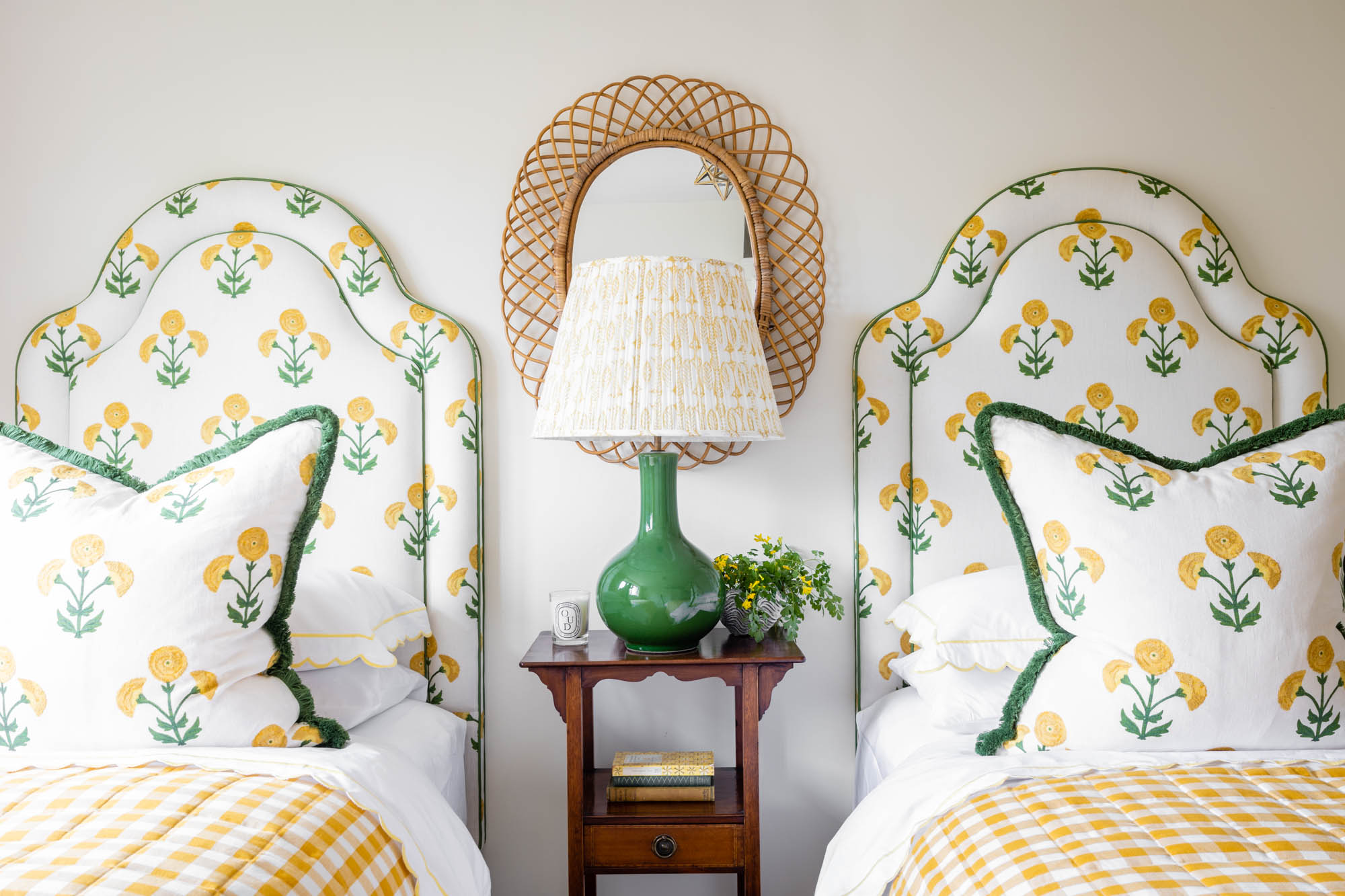
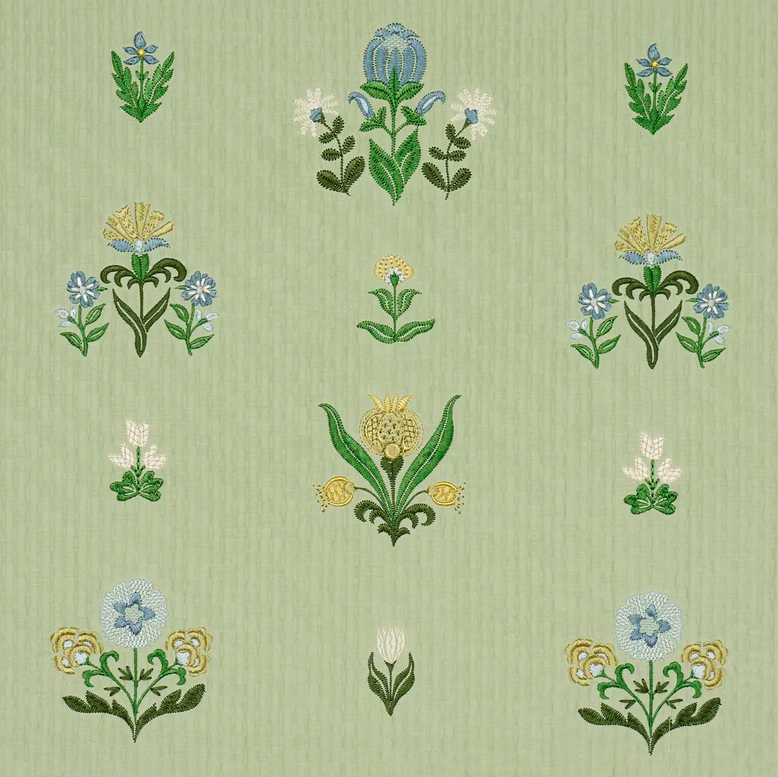
Used to cheerful effect in a bedroom by Sean Symington Design, our Saranda Flower Embroidery features a pattern of stylized flowers hand-printed on a linen ground and enlivened with hand-stitched embellishments.
Chris Wakefield PhotographyHand Embroidery
Until the invention of the first hand-embroidery machine in 1829 (it predates the first sewing machine), all embroidery was done by hand with needle and thread to create decorative stitches—even stunningly intricate masterworks such as the famed 11th-century Bayeux Tapestry. Although most embroidery we encounter today is created by computer programs and machines, it’s impossible to replicate the charm, intricacy, and subtle imperfections of embroidery when it’s made by hand.
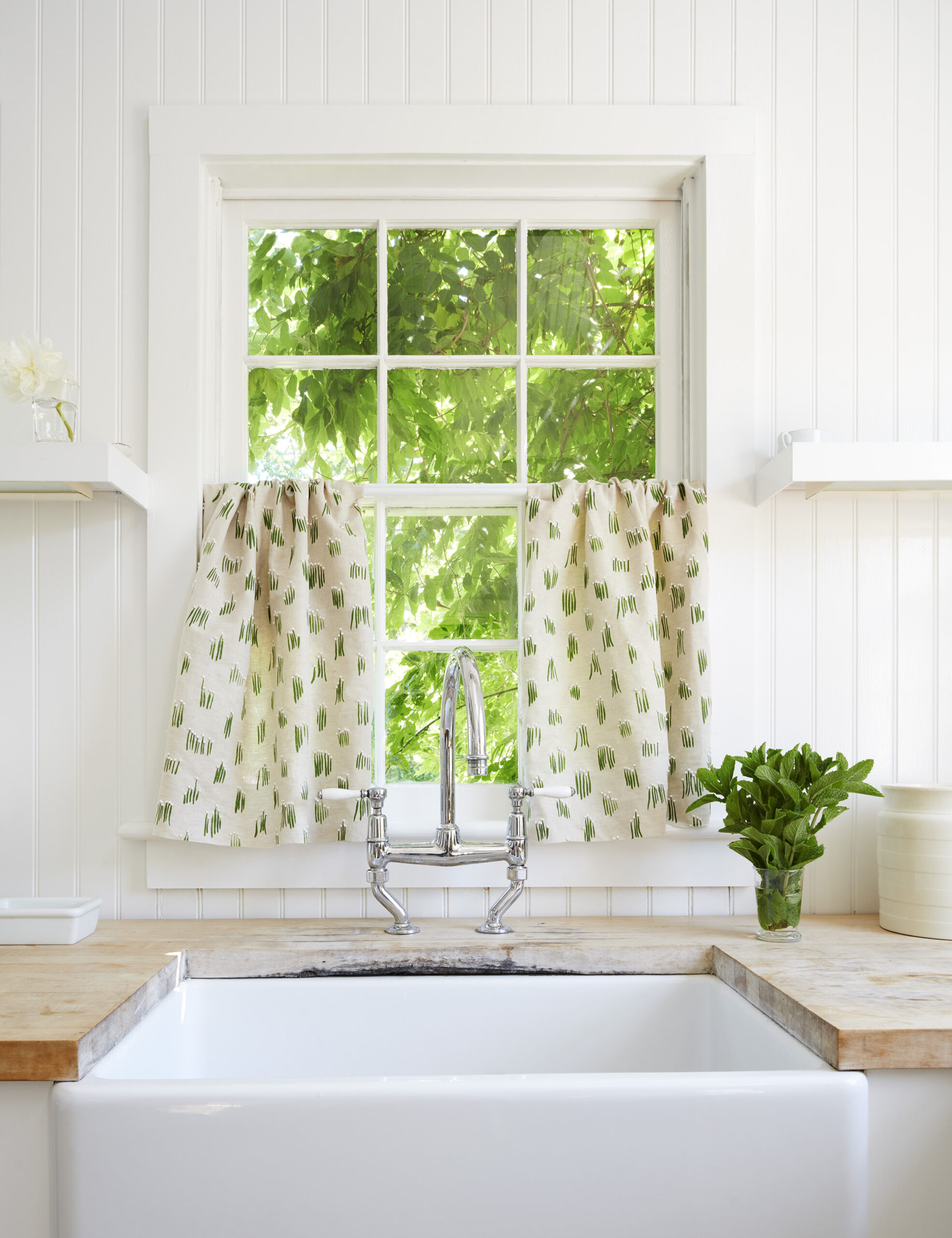
Our Meadow Button Hand Embroidery by Studio Bon is a contemporary showcase of hand-stitched French knots on a screen-printed linen ground.
Max Kim-Bee
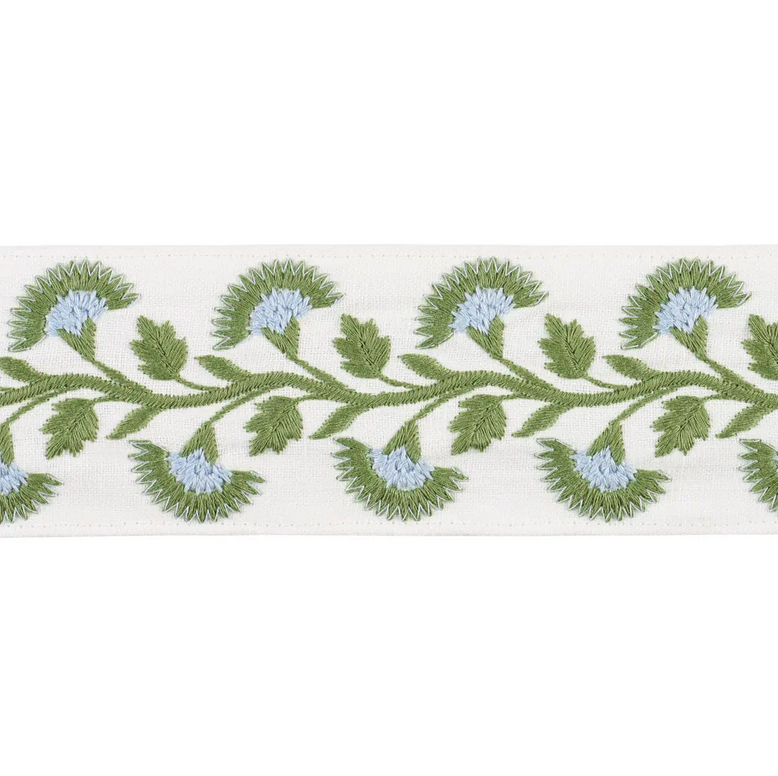
Featured in a project by Paris-based designer Laura Gonzalez, our Aurelia Embroidery is a captivating floral comprising stitched satin blossoms edged with hand-clipped fringe.
Stephan JulliardNeedlepoint
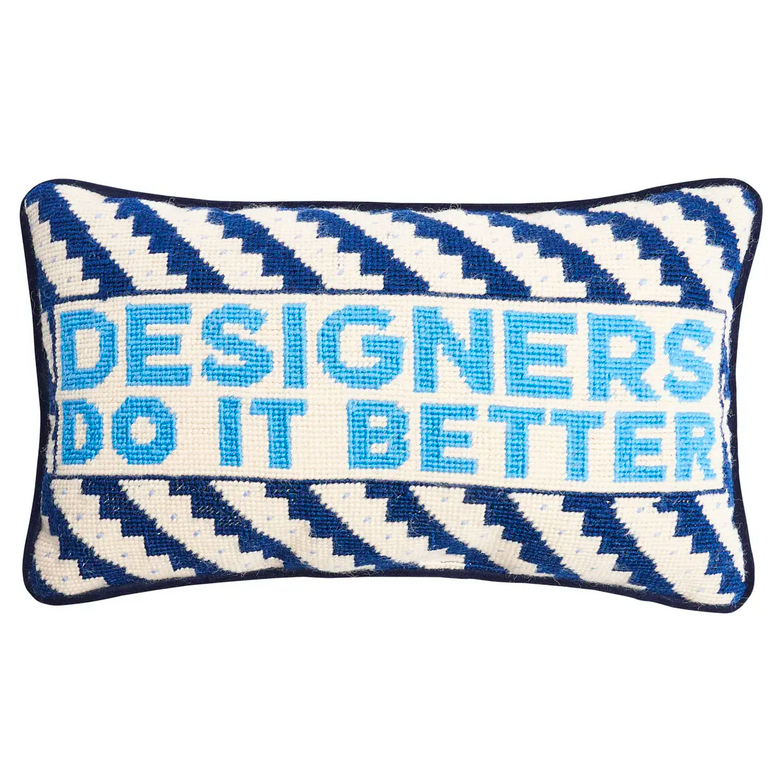
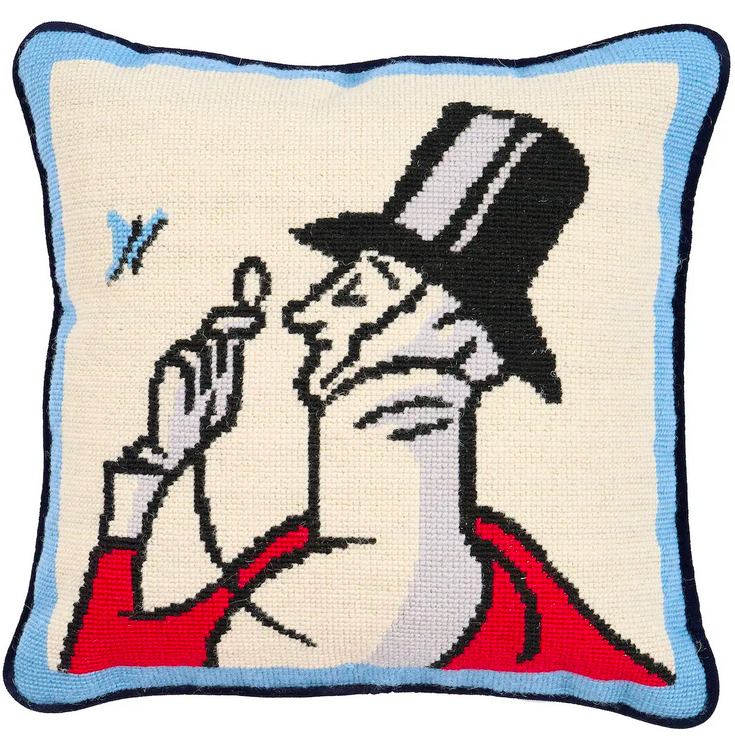
Known as canvas work in the U.K., needlepoint employs simple, even stitches to create a dense pattern that completely covers a stiff mesh backing. Most often, the pattern is formed by changing the color of the thread. More complex needlework can incorporate variations in the thickness of the yarns and changes in the stitch style, but the stitches are kept regular and always follow the weave of the underlying canvas. Exceedingly popular in the 17th and 18th centuries, needlepoint upholstery and rugs saw a resurgence during the Victorian era.
Cross-stitch
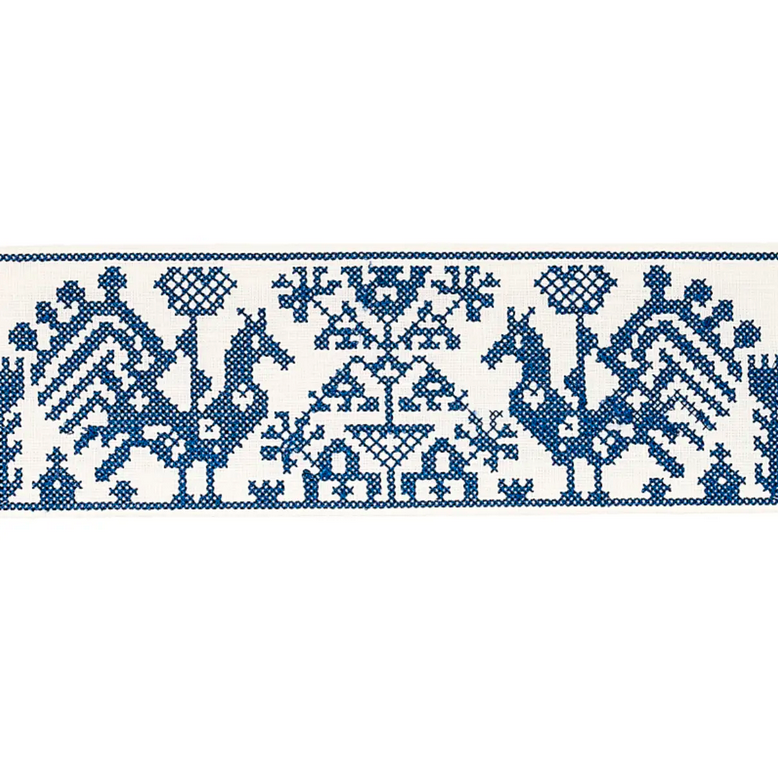
Cross-stitch is one of the most straightforward and recognizable embroidery stitches, created with two diagonal stitches that cross in an X and form a pattern of neat stitches of equal size. Worked on a fabric with an even weave and a visible grid of squares, cross-stitch is found all over the world (early examples date from A.D. 850), and printed pattern books have been in production for at least 500 years. Perhaps because cross-stitch samplers were popular among young girls who were learning how to stitch, this form of embroidery is often associated with honest simplicity, but sophisticated effects such as shading and three-dimensionality can be achieved.
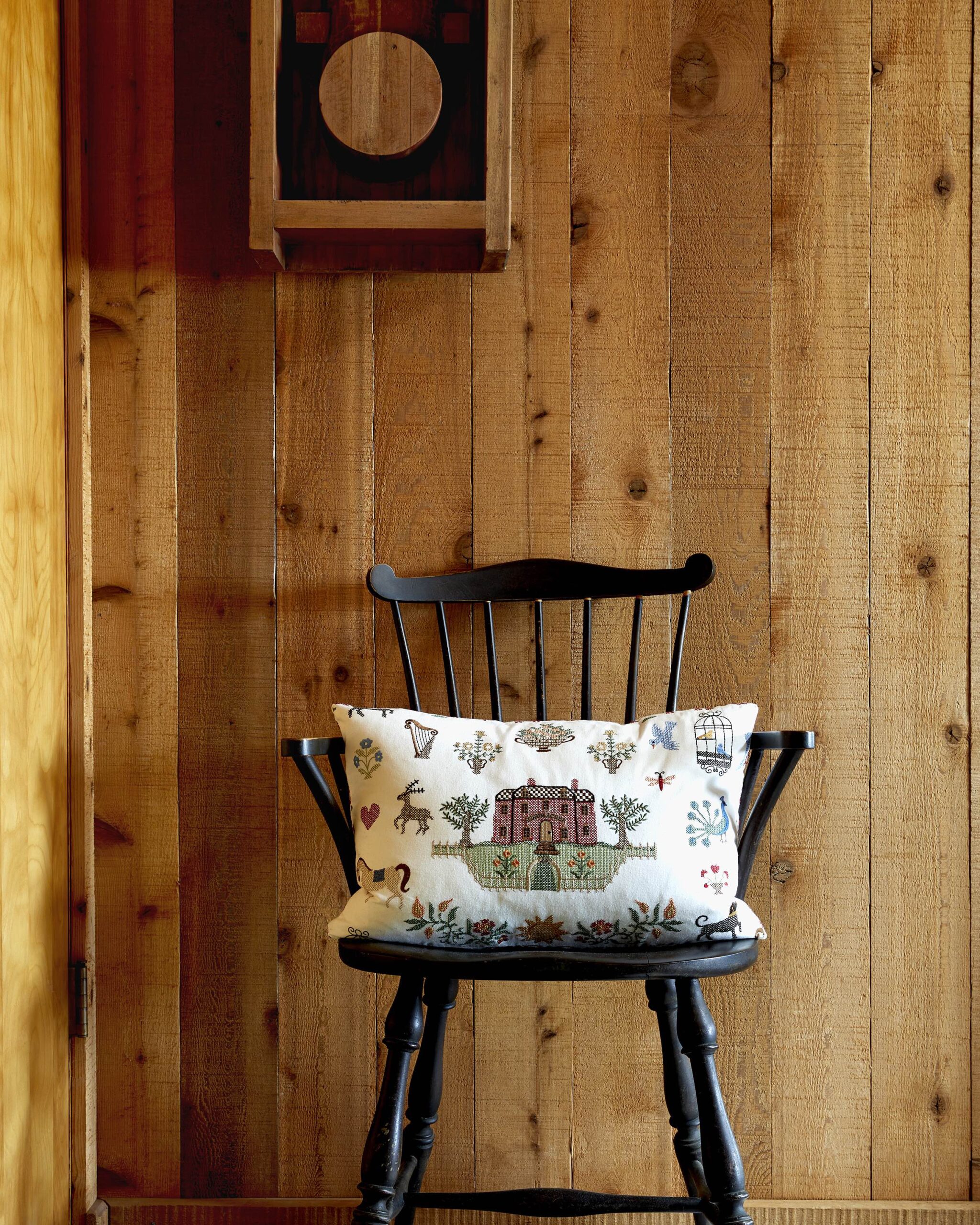
Available as a fabric and a ready-made pillow, our Merrifield Sampler features a charming cross-stitch inspired by early American needlework.
Laura ResenRunning Stitch
The most basic stitch, created with a simple up-and-down movement of needle through cloth. An example: evenly spaced straight stitches of a consistent length with matching intervals between each stitch. It can be straight or curved and either used on its own or as the foundation for a whole family of composite stitches (double running stitch, interlaced, looped, stepped, Holbein, etc.), including the whipped stitch (below).
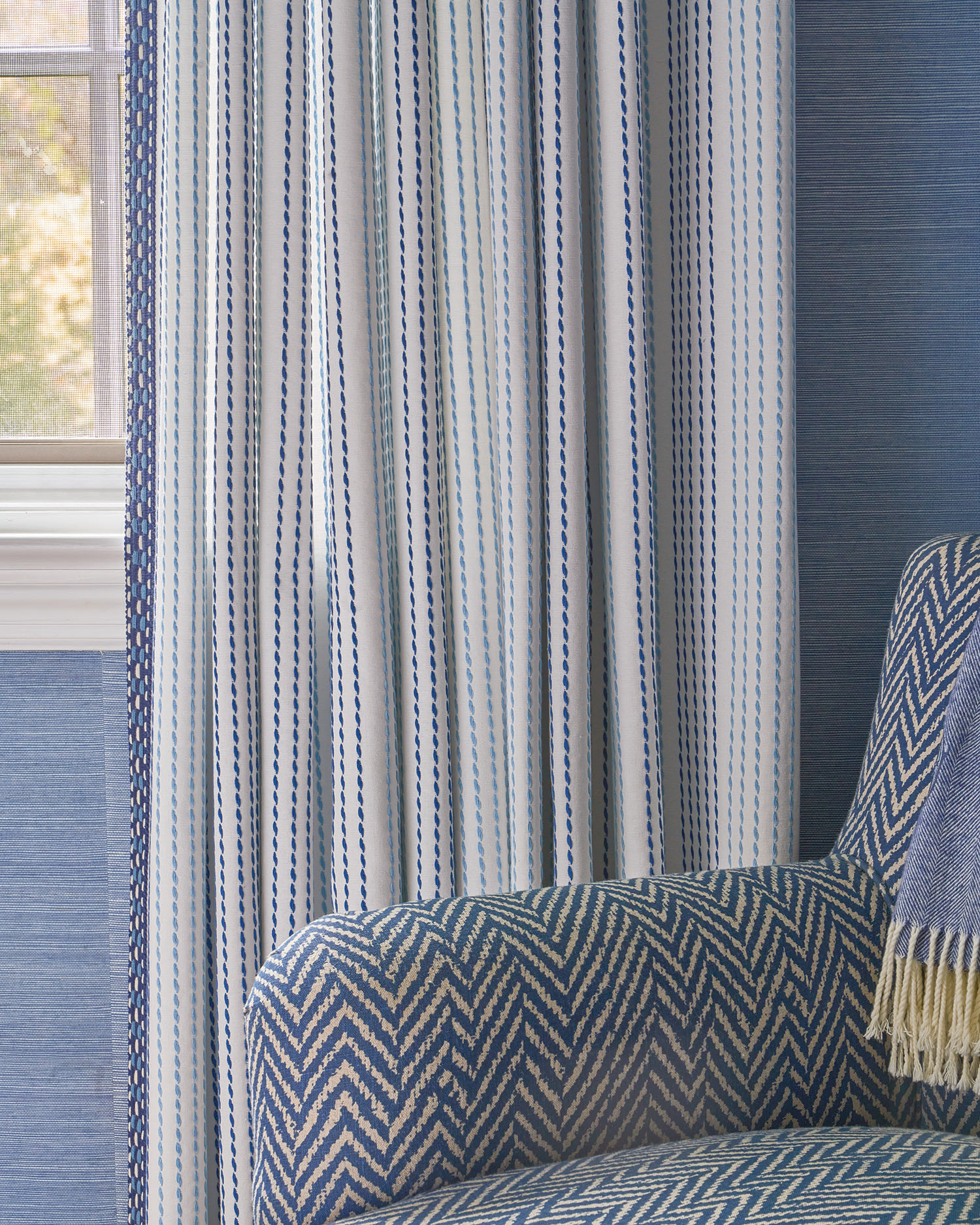
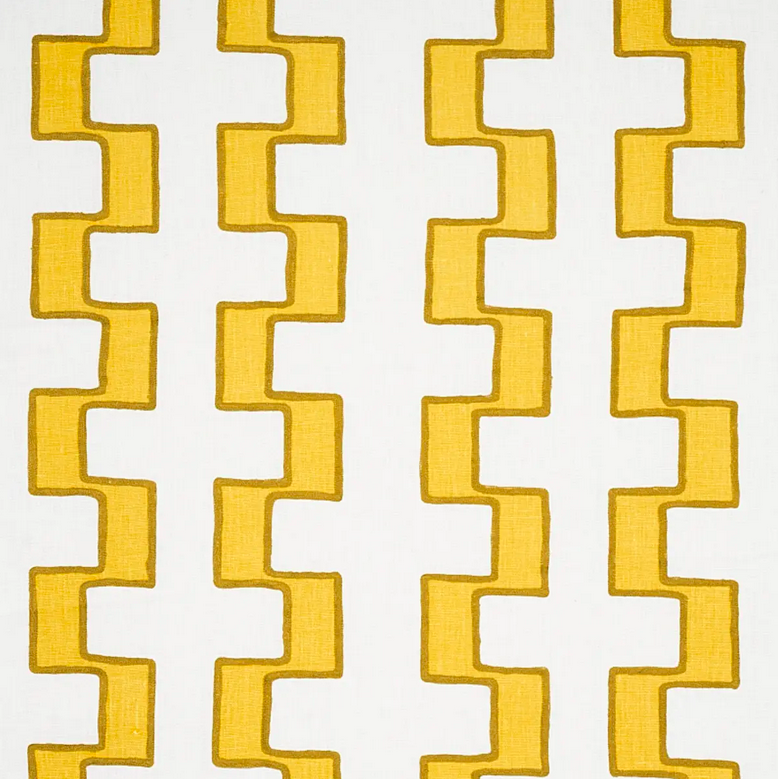
A fabulous curtain fabric, Running Stitch features a classic stripe embroidered on a dobby weave ground.
Kevin KerrWhipped Stitch
Not to be confused with the whipstitch used to sew fabric edges together, a whipped stitch is a delightful embellishment that creates a ropelike effect on top of the backing fabric. A row of running stitches is laid down first, then a separate thread is whipped through them without picking up any of the underlying fabric. The key to a good-looking whipped stitch? The thread always runs in the same direction. Wonderful effects can be achieved with a whipped stitch, including a stripe-y candy-cane finish comprising threads in two contrasting colors.
Full Coverage
This term refers to a design that completely covers the underlying fabric with stitches. As a rule, most needlepoint and petit points are full coverage. Meanwhile, some styles that usually incorporate areas of exposed fabric into the finished design—cross-stitch, for example—can also be worked as full-coverage creations.
Crewel
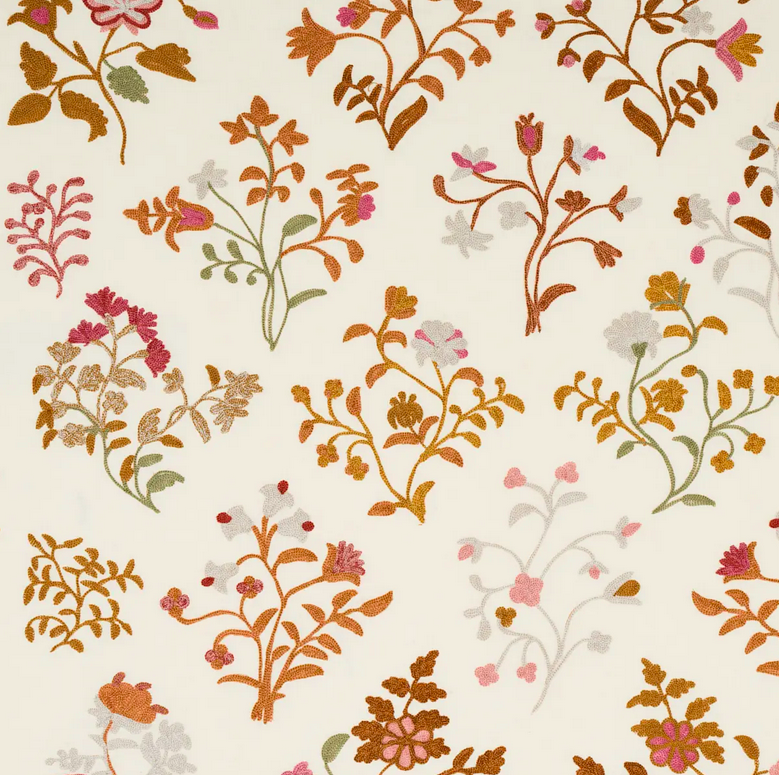
An elaborate form of embroidery named for the fine wool yarn used to create it, crewelwork is made with a wide range of stitches and traditionally includes exotic flora and fauna motifs. First popularized in the 17th century, this heavyweight embroidery fabric was—and still is—most often used for curtains and upholstery. To learn more about this technique, click here.
Shop a few of our favorite embroidered fabrics, trims, and pillows below, and discover even more gorgeous options here!